
Japanese aesthetic principles, often associated with tranquility and harmony, now find a new home within the confines of the modern home. This comprehensive guide delves into the art of creating a captivating Japanese herb garden indoors, offering practical advice on design, selection, and cultivation. From choosing the perfect herbs to understanding propagation methods, readers will discover how to cultivate their own miniature oasis of tranquility.
This guide will take you through everything from selecting appropriate indoor herbs to creating a harmonious layout. We’ll cover the critical aspects of light, temperature, and humidity, essential for nurturing these delicate plants.
Introduction to Japanese Herb Gardens
A Japanese herb garden, often integrated into a larger Zen garden or tea garden, is a meticulously designed space emphasizing natural aesthetics and the symbolic representation of nature. It’s not merely a collection of herbs but a miniature landscape that evokes a sense of tranquility and harmony through carefully selected plants, stones, and water features. The design and placement of herbs are crucial to achieving this effect.Traditional Japanese garden design principles, rooted in Zen Buddhism, prioritize simplicity, balance, and the incorporation of natural elements.
These principles translate into the arrangement of herbs, emphasizing their natural forms and subtle beauty rather than their abundance. The gardens aim to create a space for contemplation and appreciation of the ephemeral nature of beauty, reflecting the impermanence of life. The careful cultivation of these plants underscores the connection between nature and the human spirit.
Cultural Significance of Herbs in Japanese Tradition
Herbs hold a rich cultural significance in Japanese tradition, extending beyond their culinary uses. Many herbs are associated with specific virtues or spiritual concepts, reflecting a deep appreciation for the natural world and its healing properties. Historically, certain herbs were believed to possess medicinal powers and were used in traditional remedies. This deep connection with nature and its healing properties continues to influence Japanese aesthetics and daily life.
The use of herbs in gardens often symbolizes these virtues, reinforcing the beauty and spiritual significance of the space.
Types of Japanese Herbs Suitable for Indoor Cultivation
Indoor cultivation allows for the enjoyment of Japanese herbs throughout the year, regardless of outdoor weather conditions. Careful selection of suitable varieties is essential for success.
- Ginger (Zingiber officinale): A rhizomatous perennial, ginger is appreciated for its distinctive flavor and its purported medicinal properties. It thrives in consistently warm, humid environments and requires well-drained soil. Its rhizomes can be harvested for culinary use, and the plant’s aesthetic qualities can contribute to the overall beauty of the garden.
- Japanese Mint (Mentha arvensis): Known for its refreshing aroma and culinary versatility, Japanese mint is a relatively low-maintenance herb, adaptable to various indoor environments. Its vibrant green foliage adds a touch of freshness to the garden.
- Perilla (Perilla frutescens): A leafy herb with diverse culinary uses, perilla is prized for its distinctive flavor and colorful leaves. It can be cultivated indoors in a bright location and can be easily propagated from cuttings. Its striking appearance complements the aesthetic of a Japanese herb garden.
- Chrysanthemum (Dendranthema morifolium): A popular flowering herb, chrysanthemum varieties are appreciated for their beautiful blooms. Some chrysanthemum varieties can thrive in well-lit indoor spaces, bringing a touch of autumnal beauty throughout the year. Their blossoms provide a vibrant contrast to the other plants in the garden.
Herb Selection Table for Indoor Japanese Gardens
| Herb | Characteristics | Cultivation Needs | Cultural Significance (brief) |
|---|---|---|---|
| Ginger | Rhizomatous perennial, distinctive flavor | Warm, humid environment, well-drained soil | Culinary and medicinal uses |
| Japanese Mint | Refreshing aroma, culinary versatility | Adaptable to various indoor environments | Freshness and culinary applications |
| Perilla | Leafy herb, diverse culinary uses, colorful leaves | Bright location, easy propagation from cuttings | Distinctive flavor and aesthetic appeal |
| Chrysanthemum | Flowering herb, beautiful blooms | Well-lit indoor spaces | Autumnal beauty, symbolic of joy |
Indoor Space Considerations

Cultivating Japanese herbs indoors presents unique challenges and opportunities. Optimizing the indoor environment is crucial for mimicking the natural conditions these herbs thrive in, ensuring healthy growth and bountiful harvests. Proper light, temperature, and humidity levels are paramount to success. Careful consideration of container choices is also vital for both aesthetic appeal and the plants’ well-being.
Ideal Indoor Environment
Japanese herbs, like their outdoor counterparts, appreciate a consistent and supportive environment. Maintaining a stable temperature range, mimicking their natural growing conditions, will promote robust growth. This often involves a balance of light exposure, air circulation, and humidity. Indoor environments, while offering protection from harsh weather, demand careful attention to these factors.
Light Requirements
Proper light exposure is essential for photosynthesis and overall health. Different herbs have varying light needs. For example, some, like mint and chives, tolerate lower light conditions than others, like parsley and basil, which need more intense light. It’s crucial to understand these differences to ensure the plants receive the light spectrum and intensity they require for optimal growth.
Insufficient light can lead to stunted growth, pale foliage, and reduced yields.
Temperature and Humidity Levels
Maintaining optimal temperature and humidity levels is vital for successful indoor herb cultivation. Japanese herbs generally prefer temperatures within a specific range, often between 18-25°C (64-77°F). Humidity levels also play a significant role. Lower humidity levels can cause leaf browning and other problems. Using a humidifier, especially during dry seasons, can significantly improve growth conditions.
Container Options
Selecting the right container is a critical aspect of indoor herb gardening. Different containers offer various advantages and disadvantages. Here’s a comparison table:
| Container Type | Pros | Cons |
|---|---|---|
| Terracotta Pots | Excellent drainage, allows for air circulation, natural aesthetic | Can dry out quickly, may crack or break |
| Plastic Pots | Durable, lightweight, various sizes available, good for beginners | Can retain moisture excessively, may not be as aesthetically pleasing |
| Glass Pots | Excellent for showcasing the plants, allows for viewing roots | Can be prone to breakage, may heat up excessively in direct sunlight |
| Self-Watering Pots | Reduces the need for frequent watering, convenient for busy schedules | Can sometimes lead to overwatering if not monitored carefully, may be more expensive |
The table above illustrates the trade-offs between various container options. Careful consideration of drainage, durability, and aesthetic preferences is crucial for selecting the most suitable container for each herb variety.
Selecting Japanese Herbs for Indoor Growing
Cultivating Japanese herbs indoors offers a unique opportunity to bring the essence of Japanese gardens into one’s home. These aromatic and aesthetically pleasing plants can add a touch of tranquility and sophistication to any interior space, while providing fresh ingredients for culinary creations. Careful selection and understanding of their specific needs are paramount for successful indoor cultivation.Choosing the right Japanese herbs involves considering their unique characteristics, growth requirements, and the overall aesthetic vision of the indoor garden.
The following sections detail popular choices, their distinctive traits, and the essential aspects of their care to ensure thriving indoor growth.
Popular Japanese Herbs for Indoor Spaces
Several Japanese herbs thrive in indoor environments, offering a variety of textures, aromas, and flavors. Careful consideration of the available space and desired aesthetic will help in choosing the most suitable plants.
- Shiso (Perilla): Known for its vibrant foliage, shiso comes in red and green varieties. The red variety boasts a distinct, slightly peppery flavor and aroma, while the green variety has a milder taste. Shiso is relatively easy to care for, thriving in bright, indirect light and well-drained soil. Its attractive foliage makes it a visually appealing addition to any indoor herb garden.
- Wakame: While not a true herb, wakame, a type of seaweed, is a crucial component of Japanese cuisine. It’s surprisingly adaptable to indoor growing. Wakame requires a specific environment with consistent moisture and light. Proper care can yield edible wakame, adding a unique element to the indoor garden and allowing for fresh seaweed throughout the year.
- Japanese Mint (Hachi-o): This mint variety offers a distinctive citrusy aroma and flavor. Its vibrant green leaves are quite attractive, making it a visually appealing choice for an indoor herb garden. It requires consistent moisture and bright, indirect light to thrive.
- Sake Mushrooms: Although not a plant, sake mushrooms, a type of edible fungus, can be cultivated indoors. While not a conventional herb, the process of growing them adds a unique element to the indoor garden. Specific conditions, including moisture, temperature, and airflow, are essential for successful cultivation.
- Japanese Cilantro (Otsumugi): This cilantro variety features a subtle flavor and aroma, contrasting with the strong taste of its common counterpart. Its unique flavor adds a different dimension to various dishes. It requires similar conditions to regular cilantro, including bright, indirect light and consistent moisture.
Growing Needs Comparison
The specific requirements for each herb vary. Factors such as light exposure, soil composition, and humidity levels play a critical role in their growth. Understanding these nuances is essential for providing optimal conditions.
- Light Requirements: Many Japanese herbs thrive in bright, indirect light, but some, like shiso, can tolerate lower light conditions. Careful consideration of the location within the home and the availability of natural light is crucial.
- Watering Needs: Consistent moisture is generally required, but the frequency and amount of watering will vary based on the specific herb and the environmental conditions.
- Soil Composition: The ideal soil composition differs significantly between various Japanese herbs, impacting their growth and health. A suitable soil mix is essential for proper root development and nutrient absorption.
Ideal Soil Composition Table
This table Artikels the recommended soil compositions for the highlighted Japanese herbs. Proper soil composition promotes healthy root development and optimal nutrient uptake.
| Herb | Ideal Soil Composition |
|---|---|
| Shiso | Well-draining mix of peat moss, perlite, and vermiculite |
| Wakame | A damp, well-aerated mixture of coarse sand and peat moss |
| Japanese Mint | A blend of potting soil, compost, and perlite for excellent drainage |
| Sake Mushrooms | A specific mixture of sterile grain and rice bran, carefully prepared for fungal growth |
| Japanese Cilantro | A blend of potting soil, vermiculite, and sand for proper drainage |
Indoor Herb Garden Design and Layout
Transforming a small indoor space into a thriving Japanese herb garden requires careful planning and consideration of light, airflow, and the specific needs of each herb. A well-designed layout ensures optimal growth and aesthetic appeal, mirroring the principles of Japanese gardens. This meticulous approach allows for a harmonious blend of nature and interior design.
Small, Beginner-Friendly Garden Layout
A beginner-friendly Japanese herb garden prioritizes simplicity and ease of maintenance. A compact design, using a shallow, wide planter, allows for multiple herb varieties without overwhelming the space. The planter should be elevated slightly to enhance air circulation. Positioning the planter near a south-facing window will maximize natural light. Consider a tiered arrangement with smaller pots stacked within the main planter for visual interest and efficient use of vertical space.
This configuration offers a visually appealing miniature landscape.
Complex Indoor Garden Design Plan
A more complex design leverages the principles of Japanese aesthetics to create a tranquil indoor sanctuary. Employ a larger, multi-tiered planter system, possibly incorporating natural elements like small, decorative rocks and flowing water features (a small fountain or bubbling stone). The design should incorporate a variety of containers, from hanging baskets to smaller pots, to showcase the diverse shapes and sizes of the herbs.
This complex design can incorporate separate microclimates within the main planter, fostering specific growth conditions for various herb types.
Placement of Herbs Considering Light and Airflow
Light and airflow are crucial for the health and productivity of indoor herbs. Sunlight intensity and duration vary depending on the herb species. Light-demanding herbs should be placed near windows with the most direct sunlight. Conversely, shade-loving herbs can be positioned further from the window or in areas with filtered light. Air circulation is vital; herbs should not be placed in stagnant areas.
Proper ventilation, either by natural airflow or strategically placed fans, prevents fungal diseases and promotes healthy growth.
Herb Arrangement Example
This table Artikels a possible arrangement for a small, beginner-friendly indoor Japanese herb garden, considering light and airflow needs.
| Herb | Light Needs | Airflow Needs | Placement (Example) |
|---|---|---|---|
| Basil | Full sun | Moderate | Front of the planter, near the window |
| Mint | Partial sun | High | Back of the planter, with good air circulation |
| Chives | Partial sun | Moderate | Middle shelf of the planter |
| Oregano | Full sun | Moderate | Front of the planter, slightly shaded from direct sun |
This example is just a starting point. Each herb has specific needs, and adjustments are necessary based on your particular environment. The arrangement needs to be adapted to the particular characteristics of each herb variety.
Growing and Maintaining Japanese Herbs Indoors
Cultivating Japanese herbs indoors requires a nuanced approach that balances the specific needs of these plants with the constraints of a contained environment. Success hinges on understanding propagation techniques, optimal watering and fertilization strategies, and proactive pest and disease management. These factors are crucial for thriving indoor herb gardens, ensuring consistent harvests and the beauty of these unique plants.
Propagating Japanese Herbs from Cuttings
Propagating Japanese herbs from cuttings is a viable and often efficient method for expanding your collection. This technique involves taking a healthy stem cutting and encouraging it to root and grow into a new plant. The process typically begins by selecting a stem section, removing leaves from the bottom portion of the cutting, and then placing it in a rooting medium.
Maintaining a consistent moisture level and providing adequate light are essential for successful rooting. Various rooting mediums can be used, including water or a soilless mix. Rooting hormone can be applied to cuttings to encourage quicker root development.
Watering and Fertilizing Indoor Herbs
Watering frequency depends heavily on the specific herb variety, pot size, and environmental conditions. Overwatering can lead to root rot, while underwatering can cause wilting and stunted growth. A crucial factor is understanding the specific needs of each herb. For example, some herbs prefer consistently moist soil, while others thrive in drier conditions. Regular monitoring of the soil moisture is vital.
Fertilizing plays a crucial role in maintaining healthy growth. Using a balanced liquid fertilizer diluted to half strength is a suitable practice. Avoid over-fertilizing, as this can lead to nutrient burn and harm the plant. Following the specific fertilizer recommendations for the herb variety will help prevent these issues.
Pest and Disease Control
Maintaining a healthy indoor herb garden involves a proactive approach to pest and disease control. Early detection and swift intervention are key to preventing widespread infestations. Regular inspections for pests and signs of disease are essential. Understanding the common pests and their associated symptoms is crucial for prompt action. Implementing preventative measures, such as proper sanitation and good air circulation, can significantly reduce the risk of problems.
Common Indoor Herb Pests and Control Methods
| Pest | Description | Control Methods |
|---|---|---|
| Aphids | Small, sap-sucking insects that cluster on leaves and stems, often causing yellowing or curling. | Insecticidal soap, neem oil, or insecticidal sprays. Gentle water spray can also dislodge them. |
| Spider Mites | Tiny arachnids that create webs on leaves and stems, leading to stippling and browning. | Increased humidity, insecticidal soap, or neem oil sprays. |
| Mealybugs | Small, white, cottony insects that feed on plant sap, causing wilting and stunted growth. | Cotton swabs dipped in rubbing alcohol to remove them, insecticidal soap, or neem oil sprays. |
| Whiteflies | Small, white insects that cluster on the underside of leaves, causing yellowing and stippling. | Yellow sticky traps, insecticidal soap, or neem oil sprays. |
Tools and Materials Needed
Cultivating a thriving indoor Japanese herb garden requires a thoughtful approach to tools and materials. Selecting appropriate tools not only enhances the gardening experience but also ensures the health and productivity of your herbs. High-quality containers are equally crucial, offering the right support and environment for root development and optimal growth. Careful consideration of these elements will contribute to a flourishing and aesthetically pleasing indoor garden.
Essential Tools for Indoor Herb Gardening
Proper tools are fundamental to successful indoor herb gardening. From planting and pruning to harvesting and maintaining, each task requires the right tool for the job. A well-equipped toolkit will save time, minimize stress, and ultimately produce healthier, more robust herbs.
- Hand trowel: Essential for precise planting and transplanting, especially for delicate herb roots. A hand trowel allows for careful maneuvering around the roots, minimizing damage and facilitating healthy growth.
- Pruning shears: Critical for trimming excess growth and shaping plants, promoting bushier growth and preventing overcrowding. Sharp pruning shears ensure clean cuts, minimizing plant stress and disease risks.
- Watering can: A watering can with a fine spray nozzle is crucial for delicate watering, avoiding overwatering and root rot. This allows for controlled watering, targeting the soil directly without damaging the plants.
- Measuring tape: Useful for determining the appropriate size of containers and for precise layout planning. This ensures that the chosen container provides adequate space for root growth and prevents overcrowding.
- Potting soil: A high-quality potting mix is essential for providing the right nutrients and drainage. This ensures that the herbs receive the proper nourishment needed for growth.
Characteristics of High-Quality Containers
Selecting the right containers is crucial for the success of your indoor Japanese herb garden. Containers should not only be aesthetically pleasing but also functional in supporting the specific needs of the herbs.
- Drainage holes: Crucial for preventing waterlogging and root rot, a common issue in indoor gardening. Adequate drainage prevents the roots from sitting in excess moisture, which can lead to disease.
- Material: Consider the material of the container. Terracotta pots, for example, can help regulate soil moisture, but plastic pots are often more readily available and affordable. Choosing the right material depends on the specific needs of the herbs.
- Size: The size of the container should be appropriate for the size and growth rate of the herbs. Overcrowding can hinder growth and health. Smaller containers may be suitable for smaller herbs or seedlings, while larger containers can accommodate mature plants.
- Durability: Choose containers that can withstand the weight of the soil and plants. This ensures stability and prevents damage, especially when handling the pots.
Materials and Their Uses
A well-organized list of materials and their specific uses will ensure a smooth and efficient gardening experience. This approach ensures that you have the necessary tools and materials readily available.
| Material | Use |
|---|---|
| Hand trowel | Planting, transplanting, and careful soil handling. |
| Pruning shears | Trimming, shaping, and maintaining plant health. |
| Watering can | Controlled watering of herbs, avoiding overwatering and root damage. |
| Potting mix | Providing essential nutrients and drainage for healthy root development. |
| Terracotta pots | Regulating soil moisture, promoting airflow, and supporting plant health. |
| Plastic pots | Affordable, readily available, and suitable for a variety of herbs. |
| Measuring tape | Ensuring appropriate container size for each plant, preventing overcrowding. |
Propagation Methods for Indoor Herbs
Cultivating Japanese herbs indoors offers a rewarding experience, but maintaining a healthy collection requires knowledge of propagation techniques. Successful propagation ensures the continuation of your collection and allows for expanding your variety of herbs. Different methods offer varying degrees of success and complexity, each with unique requirements.Propagating indoor herbs allows you to expand your collection without the need to purchase new plants.
This not only saves money but also ensures you are working with plants that are genetically suited to your indoor environment. Understanding the nuances of each propagation method will help you achieve a high success rate and enjoy a thriving indoor herb garden.
Cuttings
Propagating through cuttings involves taking a piece of stem or leaf from a mature plant and encouraging it to root. This method is often the most straightforward and frequently used. The success of this method hinges on the correct selection of the cutting material and the provision of an optimal environment for root development.
- Selection of Cutting Material: Choose healthy, vigorous stems or leaves from the plant. A mature stem with several leaves, exhibiting no signs of disease or damage, is ideal. Ensure the cutting is at least 4-6 inches in length. Some herbs may also be successfully propagated from leaf cuttings.
- Preparation of the Cutting: Remove the lower leaves from the cutting to expose the stem nodes. This reduces moisture loss and prevents rot. Dip the cut end in rooting hormone to stimulate root development. Rooting hormones are commercially available and increase the chances of success.
- Planting the Cutting: Place the cutting in a suitable growing medium. A mix of perlite, vermiculite, and peat moss is commonly used. Ensure the cutting is firmly planted in the medium and water gently.
- Creating the Ideal Environment: Maintain a humid environment to promote root growth. Cover the container with a plastic bag or place it inside a humidity dome to trap moisture. Maintain a temperature range of 70-75°F (21-24°C). Regular misting can help maintain humidity. Direct sunlight should be avoided.
Division
Division is an effective propagation method for herbs that naturally produce multiple stems or plants from a single root system. This method is often best suited for established plants with a well-developed root system.
- Preparing the Plant: Carefully remove the plant from its pot. Gently loosen the soil around the roots. Ensure that the plant is not damaged in the process.
- Dividing the Plant: Using a sharp knife or shears, divide the plant into separate sections, ensuring each section has a healthy portion of the root system. Avoid damaging the roots.
- Planting the Divisions: Plant each division in a separate pot containing a well-draining potting mix. Water gently to settle the soil around the roots.
- Creating the Ideal Environment: Maintain a consistently moist environment for optimal root growth. Place the pots in a location with indirect sunlight and avoid overwatering, which can lead to root rot.
Seeds
Using seeds is a time-consuming but rewarding propagation method. This method is ideal for a wider variety of herbs. It often involves careful attention to the seed’s germination requirements and appropriate care throughout the early stages.
- Seed Preparation: Gather seeds from healthy, mature plants. Soak the seeds in water for a few hours or overnight, depending on the type of herb, to aid in germination. This can significantly increase the rate of germination for some species.
- Planting the Seeds: Sow the seeds in seed starting mix, ensuring that they are lightly covered with a thin layer of soil. Maintain a moist environment by regularly misting the soil.
- Creating the Ideal Environment: Maintain a temperature range of 70-75°F (21-24°C) for optimal germination. Provide indirect sunlight or grow lights for consistent light. Consistent humidity is crucial for successful germination. Keep the soil consistently moist but not waterlogged.
- Transplanting: Once the seedlings have developed their first true leaves, they can be carefully transplanted into individual pots filled with a well-draining potting mix. Handle the seedlings with care to avoid damaging the delicate roots.
Comparison of Propagation Methods
| Propagation Method | Success Rate (General Estimate) | Time to Maturity | Complexity |
|---|---|---|---|
| Cuttings | High | Moderate | Medium |
| Division | High | Low | Low |
| Seeds | Moderate | High | High |
Note: Success rates are general estimates and may vary depending on the specific herb species and growing conditions.
Troubleshooting Common Growing Issues
Cultivating Japanese herbs indoors presents unique challenges, requiring a keen eye for detail and a proactive approach to problem-solving. Understanding the nuances of these plants’ needs and recognizing early warning signs are crucial for maintaining healthy growth and preventing widespread issues. Diligent observation and prompt intervention are key to success.
Identifying Common Problems
Japanese herbs, like many plants, can suffer from various issues related to environmental factors, pests, or diseases. These problems often manifest in visible symptoms that can be diagnosed with careful examination. For instance, discoloration of leaves, stunted growth, or the appearance of unusual spots or blemishes are telltale signs of potential trouble.
Solutions for Addressing Problems
A proactive approach to problem-solving is essential. Prompt identification and appropriate solutions are key to ensuring the health and longevity of your indoor Japanese herb garden. Adjustments to lighting, watering, humidity, or even pest control are frequently necessary to remedy the situation.
Importance of Regular Observation
Regular observation is paramount for the success of any indoor herb garden. By consistently monitoring the plants, you can identify potential issues early on, before they escalate into major problems. Regular inspections allow for prompt intervention, minimizing the impact on the overall health of the garden. This vigilance helps in adapting growing conditions to optimize the plants’ well-being.
Troubleshooting Table
| Potential Issue | Possible Causes | Solutions |
|---|---|---|
| Yellowing Leaves | Nutrient deficiency, overwatering, underwatering, pests, or insufficient light. | Assess soil moisture; adjust watering schedule. Ensure adequate sunlight exposure. Test for nutrient deficiencies and amend the soil accordingly. Inspect for pests and treat with appropriate methods. |
| Stunted Growth | Insufficient light, nutrient deficiency, poor drainage, or overcrowding. | Increase light exposure or provide supplemental lighting. Ensure adequate drainage in the pot and amend soil to improve aeration. Repotting into a larger container may be necessary to avoid overcrowding. |
| Leaf Spots or Blight | Fungal or bacterial infections, poor air circulation, or excess moisture. | Reduce humidity by improving air circulation. Ensure proper drainage. Use fungicides or antibacterial solutions to control infection, following label instructions carefully. |
| Pest Infestation | Aphids, spider mites, or other pests attracted by the plant’s environment. | Regular inspection for pests is essential. Use insecticidal soap or other organic pest control methods as needed. Ensure proper sanitation and hygiene practices in the garden to prevent future infestations. |
Harvesting and Using Japanese Herbs
Japanese herbs, prized for their delicate flavors and vibrant colors, offer a unique culinary experience. Proper harvesting techniques and knowledge of their versatile applications maximize the enjoyment and value of these fragrant additions to any dish. Understanding the optimal harvest times and various methods of preservation ensures the freshness and potency of these botanical treasures throughout the year.Maximizing the flavor and extending the use of harvested Japanese herbs hinges on understanding the best times to pick them.
This, in turn, is directly linked to the plant’s growth cycle and the specific aromatic compounds that contribute to its distinctive taste. By following these guidelines, home gardeners can ensure the highest quality harvest possible, which can then be used in diverse culinary preparations and preservation methods.
Optimal Harvest Times
Harvesting at the peak of the plant’s growth cycle ensures the richest flavor profile. Different herbs have different ideal harvest windows. For example, leafy herbs like mint and perilla are best harvested when they are young and tender, while herbs with woody stems, such as rosemary and thyme, can be harvested throughout the growing season, but yield their best flavor when harvested at the peak of their growth.
Understanding the specific growth patterns of each herb is crucial for maximizing flavor.
Methods of Use
Japanese herbs offer a diverse array of culinary applications. Fresh herbs can be used as garnishes, added directly to salads, or incorporated into sauces and stir-fries. Dried herbs can be ground into powders for seasoning or added to stocks and soups for depth of flavor. Proper understanding of the intended use guides the best method of preparation.
Preserving Harvested Herbs
Preserving harvested herbs allows for year-round enjoyment. Drying is a common method, involving careful preparation and storage to maintain the herb’s flavor and texture. Freezing, while potentially affecting texture, can preserve the herb’s nutrients and flavor. These methods provide a practical way to enjoy the bounty of the harvest throughout the year.
- Drying: Spread the herbs on a tray lined with parchment paper in a well-ventilated area, or use a dehydrator for more controlled drying. Drying preserves the herb’s flavor and aroma but may slightly alter its texture.
- Freezing: Blanch the herbs briefly in boiling water to stop enzymatic activity, then quickly transfer to ice water to halt the cooking process. After blanching, freeze in airtight containers or bags. This method preserves the herb’s nutrients and flavor, but the texture might change slightly.
Culinary Applications of Japanese Herbs
The table below highlights a selection of Japanese herbs and their common culinary applications. The specific use often depends on the desired flavor profile and the stage of growth.
| Herb | Culinary Applications |
|---|---|
| Shiso (Perilla) | Garnish, stir-fries, salads, sushi, tempura |
| Basil | Soups, sauces, pesto, salads, stir-fries |
| Mint | Beverages, salads, desserts, sauces |
| Rosemary | Roasted meats, fish dishes, sauces, stocks |
| Thyme | Poultry dishes, stews, soups, roasted vegetables |
| Oregano | Meat dishes, pizza, sauces, soups |
Visual Representation of Indoor Herb Gardens
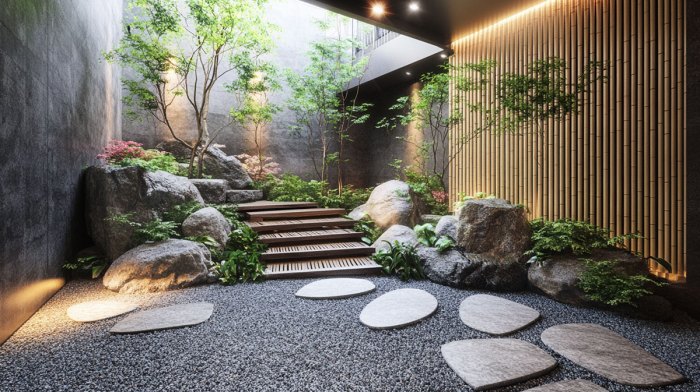
Bringing the serenity of a Japanese garden indoors is achievable with careful planning and a keen eye for detail. An indoor Japanese herb garden offers a tranquil space for cultivation and appreciation, blending the aesthetic appeal of traditional Japanese design with the practical benefits of growing herbs. This visual representation aims to showcase the potential for creating a miniature oasis within the confines of a home.Creating a harmonious indoor Japanese herb garden hinges on thoughtfully considering the arrangement of plants, the color palette, and the perspective.
This meticulous approach ensures a natural, inviting aesthetic that resonates with the principles of Japanese design, while providing a vibrant space for growing and appreciating herbs.
Illustration Design
The illustration showcases a compact, rectangular herb garden situated within a corner of a room. A low, light-toned wooden table, reminiscent of traditional Japanese furniture, serves as the base. The garden’s design emphasizes a sense of natural flow, with plants strategically placed to create visual interest and depth. The color palette is muted and earthy, featuring tones of light brown, green, and beige, mirroring the natural hues of a Japanese garden.
Plant Selection and Arrangement
The illustration features a variety of Japanese herbs, including the fragrant Shiso (Perilla), the peppery Wasabi (Wasabia japonica), and the subtly sweet Komatsuna (Brassica rapa). These are strategically positioned to create a layered effect, drawing the eye through the garden. Shiso plants, with their vibrant green leaves, are placed in the foreground, adding a pop of color. The Wasabi, with its delicate foliage, is subtly incorporated behind the Shiso, creating a sense of depth and dimension.
The Komatsuna, with its slightly darker green, is positioned in the mid-ground. A few small decorative stones are subtly placed amongst the plants, echoing the use of rocks in traditional Japanese gardens. These elements together create a miniature ecosystem.
Natural Aesthetic
Achieving a natural aesthetic within an indoor setting involves careful consideration of lighting and space. The illustration depicts a gentle, diffused lighting scheme, avoiding harsh shadows or glare. The plants are positioned to maximize natural light, enhancing their vibrancy. This natural lighting mimics the gentle glow of sunlight filtering through trees in a Japanese garden. A simple, uncluttered background allows the plants to be the focal point.
Perspective and Color Palettes
The perspective of the illustration is designed to draw the viewer into the garden. The perspective is slightly elevated, providing a bird’s-eye view, allowing the intricate details of the arrangement to be seen. The overall color palette is muted and earthy, creating a sense of calm and tranquility. Warm beige tones for the table and the background, coupled with the rich greens of the herbs, enhance the garden’s natural appeal.
The color palette reflects the natural world and emphasizes the beauty of the herbs.
Japanese Garden Aesthetic Considerations
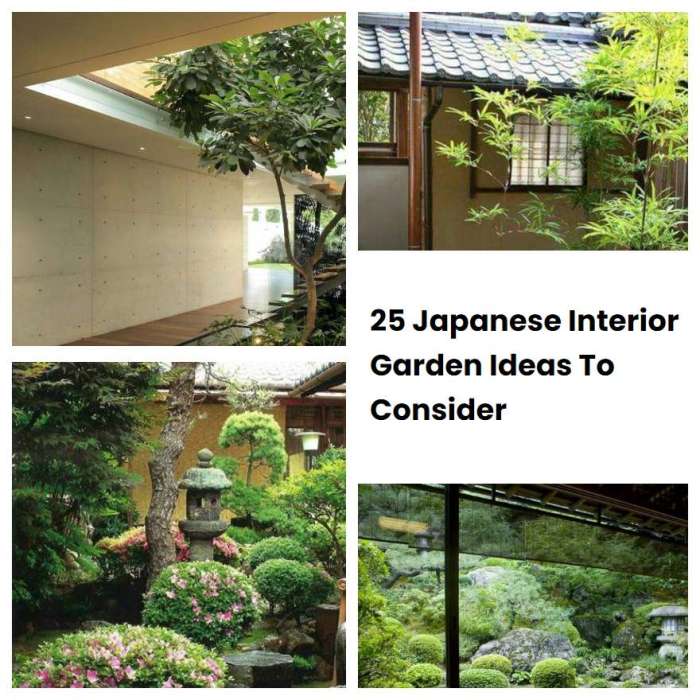
Japanese gardens, renowned for their serene beauty, emphasize harmony with nature. This aesthetic translates seamlessly to indoor spaces, offering a tranquil retreat amidst urban environments. The principles of these gardens, rooted in Zen Buddhist philosophy, aim to evoke a sense of peace and contemplation through carefully curated elements. This approach can be adapted to create a captivating and functional indoor herb garden.
Principles of Japanese Garden Design
Japanese garden design is based on several core principles. These include a focus on asymmetry, using natural materials, and creating a sense of spaciousness even in limited areas. These principles, when adapted to an indoor setting, can create a miniature landscape that is both visually appealing and calming. The use of natural materials like stone, wood, and water elements, in reduced scale, can still capture the essence of a traditional Japanese garden.
Examples of Japanese Garden Elements Suitable for Indoor Spaces
Various elements of Japanese gardens can be adapted for indoor spaces. Miniature waterfalls, carefully arranged rocks representing mountains, and meticulously crafted gravel paths evoke a sense of depth and tranquility. Indoor herb gardens can incorporate these elements using scaled-down versions of their outdoor counterparts. For instance, small, sculpted stones can represent mountains, while gravel paths can be made of small river stones.
Living walls of creeping vines or strategically placed bamboo stalks can also mimic the natural beauty of a traditional Japanese garden.
Use of Natural Materials in Indoor Japanese Herb Gardens
Natural materials are crucial to the aesthetic of a Japanese garden. Wood, stone, and water features, in appropriate scaled-down forms, are key elements. Bamboo stalks can be incorporated as supports for plants, or create natural dividers. River stones, carefully chosen for their texture and color, can create pathways or represent miniature landscapes. Natural materials such as wood and bamboo should be untreated or minimally treated to maintain their natural beauty.
The choice of stone and gravel should reflect the surrounding natural environment and complement the overall aesthetic of the space.
Design of an Indoor Japanese Herb Garden
- Miniature Landscapes: Small-scale representations of natural landscapes, using carefully chosen rocks and gravel, can evoke the vastness of nature within a limited space. These landscapes can include miniature waterfalls or streams using a shallow container and a pump.
- Water Features: A small, shallow water feature, such as a miniature pond or a small water basin, can bring a sense of tranquility. The water can be recirculated through a small pump.
- Gravel Paths: Gravel paths, using various shades of gravel, can create a sense of movement and space within the garden. The paths can be used to highlight specific plants or features.
Comparison of Indoor and Outdoor Japanese Gardens
| Element | Outdoor Japanese Garden | Indoor Japanese Herb Garden |
|---|---|---|
| Scale | Large, often encompassing significant areas | Small, designed to fit within a limited indoor space |
| Water Features | Larger ponds, streams, or waterfalls | Miniature ponds, water basins, or simulated waterfalls |
| Plants | Wide variety of trees, shrubs, and flowers | Selection of Japanese herbs and small plants |
| Materials | Natural stones, wood, and bamboo of varying sizes | Small stones, wood pieces, and bamboo stalks, maintaining natural form |
| Atmosphere | Open, expansive, and often connected to nature | Intimate, tranquil, and meditative, emphasizing harmony with the space |
Summary
In conclusion, cultivating a Japanese herb garden indoors is more than just growing plants; it’s about bringing a touch of serene Japanese aesthetics into your home. This guide provides a practical framework for understanding the unique needs of Japanese herbs, enabling you to create a flourishing indoor garden that harmonizes with your home’s design and offers a tangible connection to nature.
Embrace the beauty and tranquility that this unique indoor garden can offer.
